Thursday, July 21, 2022

STIs and Gynecologic Cancers in Focus


Essentials of Screening and Prevention


In the past two years, our time, efforts and attention were consumed by the COVID-19 pandemic response.  We were preoccupied by observing the minimum health protocols, triage algorithms, supplies of personal protective equipment… and other things short of saying that COVID-19 has changed our lives, and we will never the same again.

However, life must go on and we must learn to live with COVID-19 in the new normal. 

This AOGIN Biennial Convention entitled STIs and Gynecologic Cancers in FOCUS: Essentials of Screening and Prevention looks into how we can move forward with screening, diagnosing and disclosing sexually transmitted infections and cancer amidst the pandemic. 

What to do? We need to find new ways to facilitate screening and management of sexually transmitted infections and cancers, maximize the use of available technology like telemedicine which is also included in the DOH directives for all hospitals to maintain hospital capacity for healthcare services.  We review the screening and recommendations for STIs opportunities and pitfalls. 

We focus on revisiting HPV vaccination with long term follow up studies on HPV vaccine trials here and abroad, real world impact of HPV vaccination and deployment of HPV vaccines post-pandemic moving forward.

We hope that we can get the message across that although the COVID-19 pandemic may continue to cause fear and anxiety, we need to protect our women from sexually transmitted infections and cancers – mothers, wives, sisters, and daughters may benefit from HPV vaccination and proper screening for STIs and for cancers. 


Friday, July 15, 2022

LIFE GOALS

As of writing, I am in Negros Oriental State University in Dumaguete City for the 7th Central Visayas Health Research Innovation Conference 2022.  


Aside from being a "stage mother" for resident physician trainees and medical students who participated in the podium and poster research presentations, I have the precious opportunity to touch base with my OBGYN resident graduates based in Dumaguete.  These past two (2) days have been bitter-sweet reminiscing of those difficult challenges and experiences as training officer.


At the Negros Oriental Provincial Hospital (NOPH), one of our OBGYN resident graduates conducted the historical first cesarean delivery of a pregnant patient living with HIV.  Another OBGYN resident graduate is completing her fellowship training to be one of the specialist care providers for Dumaguete City.  Another OBGYN resident graduate helps in the organization of policies and guidelines for the patient referral system within the provincial healthcare provider network, based on her experiences with the system implemented by VSMMC and its stakeholder.


My cup runneth over with pride as these strong independent women make waves in healthcare in their localities.  This lifts me up and provides fulfillment in my chosen career to see my trainees attain their full potential and make waves (or ripples) in their own areas of influence.

We review then the life goals that we set.  LIFE GOALS is all about objectively verifiable indicators and how we begin with the end in mind...

T1.  GOALS.  What are the life goals you have set, career-wise and personal?

T2.  REGRETS.  What is the cost of your life decisions?


T3.  LEGACY.  How do you want to be remembered?


Monday, June 20, 2022

MABDUS: Mother and Baby Delivery of Unified Services


Quarterly Maternal-Perinatal Statistics: the Vicente Sotto Memorial Medical Center Model for Service Delivery Network for Maternal Health (MABDUS)

In 2015, the overwhelming problem was the high maternal and perinatal mortality.  The VSMMC Department of Obstetrics and Gynecology, together with the Department of Pediatrics jointly organized monthly Perinatal Statistics since 2015 to identify areas for improvement.  The aim was to identify the different causes of mortalities and morbidities, assess as to whether these causes were preventable or non-preventable, to improve the coordination between the stakeholders within VSMMC so as to have better patient outcomes.  It soon became apparent, however, that being an apex hospital, VSMMC needed to coordinate with hospitals within the service delivery network.  Like other government hospitals, VSMMC was inundated with patients - as many as 10 patients sharing one bed.  Most of the patients were referrals from district and provincial hospitals from all over Cebu Province. 


An assessment of referrals revealed that the main reason for patient transfer was the unavailability of expert assessment (obstetrician, anesthesiologist, pediatrician) and services required were beyond the capability of the referring institution (no operating rooms, medical equipment and maternal and/or neonatal intensive care units). The department annual statistics show that there were 16,375 obstetric admissions in 2017.  The turnaround time for cesarean section was as long as 2 days with an average of 12 hours. The long turnaround time was often identified as one of the key factors which contributed to poor maternal and neonatal outcomes.  Up to 40% of patient admissions in 2015 to 2017 were low risk obstetric admissions, which could have been managed adequately in lying-in clinics, birthing homes and primary hospitals. 

In order to spearhead regular meetings of the chiefs of hospitals within the service delivery network to identify the problems that can be solved, the VSMMC Department of Obstetrics and Gynecology set well in advance the schedule for the QUARTERLY MATERNAL-PERINATAL STATISTICS (QMPS), which initially started as a whole day event at a hotel function room.  Later on, the meeting was scheduled as three half-day virtual conferences during the COVID19 pandemic.  The main goal for the Maternal-Perinatal Statistics is to assess and develop strategies to strengthen the referral system in order to reduce maternal and perinatal mortality.   Initially, the goals were simple, such as:  the provision of the initial dose of antenatal corticosteroid for patients with preterm labor, and magnesium sulfate for patients with preeclampsia or eclampsia, prior to transfer to VSMMC, until it ballooned to all sorts of problems with corresponding suggested solutions.  The QMPS began a platform where healthcare workers from different hospitals, lying in clinics and birthing centers, could express issues and concerns and expect acceptable solutions.


With the promotion of the Service Delivery Network (SDN) by the Department of Health Central Visayas Center for Health Development (DOH CVCHD), the aim was to ensure that the right patient is at the right facility at the right time, which means that patients admitted to the apex tertiary government hospital are (1) patients needing emergency care; (2) patients referred from other hospitals and (3) patients with high-risk conditions like preterm pregnancies <35 weeks age of gestation, and (4) those patients needing intensive care. This is made possible through the electronic referral system developed as a real-time inter-hospital communication platform.  In recent years, the buy in for hospitals to use this system was the refusal of VSMMC to accept walk-in patients, and those not documented through the electronic referral system.


To facilitate this, the technical working group was created, members of which  committed to meet quarterly to review statistics, accomplishment reports and selected patient cases to recommend policies and guidelines for maternal healthcare service delivery.  The functionality of peripheral hospitals were improved with funding from the DOH Health Facility Development Bureau.  Continuity of these conferences to maintain transparency and accountability for hospital mandates will ensure implementation of the universal healthcare within the Central Visayas healthcare provider network.

The COVID-19 pandemic reflected the weakness in our healthcare system, but it also revealed our strengths.  Under the supervision of the DOH CVCHRD, the QMPS is actively and consistently participated by ten (10) government hospitals in the island of Cebu.  There are four (4) DOH-mandated hospitals, namely the Vicente Sotto Memorial Medical Center (VSMMC), Eversley Childs Sanitarium and General Hospital (ECSGH), Saint Anthony Mother and Child Hospital (SAMCH) and the Cebu South Medical Center (CSMC).  There are four (4) Cebu Provincial Hospitals (CPH): CPH-Bogo, CPH-Danao, CPH-Balamban and CPH-Carcar.  There are two (2) city hospitals, the Lapu-Lapu City Hospital and the Cebu City Medical Center.   While VSMMC presents the maternal mortalities, perinatal statistics and census of referrals, the other hospitals present their quarterly accomplishment reports for accountability.

Utilizing the electronic referral system as a real-time tool to facilitate coordinated patient transfers between health facilities to ensure people safety, the system allows for monitoring and evaluation of the quality of referrals as well.  During meetings, there is a no-blame policy where the discussion is considered safe space, where we could openly discuss and identify areas for improvement in the cases of maternal mortalities presented, to learn from our mistakes.  This allows for everyone to be on board and commit to the process of identifying problems and proposing solutions. 


The decreasing trend in obstetric admissions and deliveries at the end-referral apex hospital is a function of low-risk pregnancies effectively managed at the grassroots level and more high risk pregnancies referred to VSMMC.  Direct communication between healthcare providers through text messaging and chat groups augments the electronic referral system for coordinated patient transfers to ensure patient safety.  To address infection control issues, a coordinated schedule of general cleaning of the obstetric complex, neonatal ICU and wards of each government hospital is made possible without interrupting patient access to health service delivery.  Continuing professional education is provided free of charge for healthcare workers within the network to boost confidence and improve their capacity to serve.  Bottomline, the impact of the quarterly maternal-perinatal statistics is the dramatic reduction of annual maternal mortalities from 132 maternal mortalities in 2015 to 33 maternal mortalities in 2021.

Universal healthcare advocates financial risk protection and VSMMC believes in shared identity and shared responsibility.  The QMPS is a low cost, high impact intervention that is highly recognized by the Department of Health during the regional field implementation coordination team meetings with the electronic referral system as a best practice unique to Central Visayas. 

Moving forward, the members of the technical working group is in the process of editing the second version of the Central Visayas Health Referral System Manual and developing collaborative research for documentation of evaluation and impact analysis of these interventions toward improved maternal and perinatal health, because at Vicente Sotto Memorial Medical Center, quality service is our pride!

Saturday, June 4, 2022

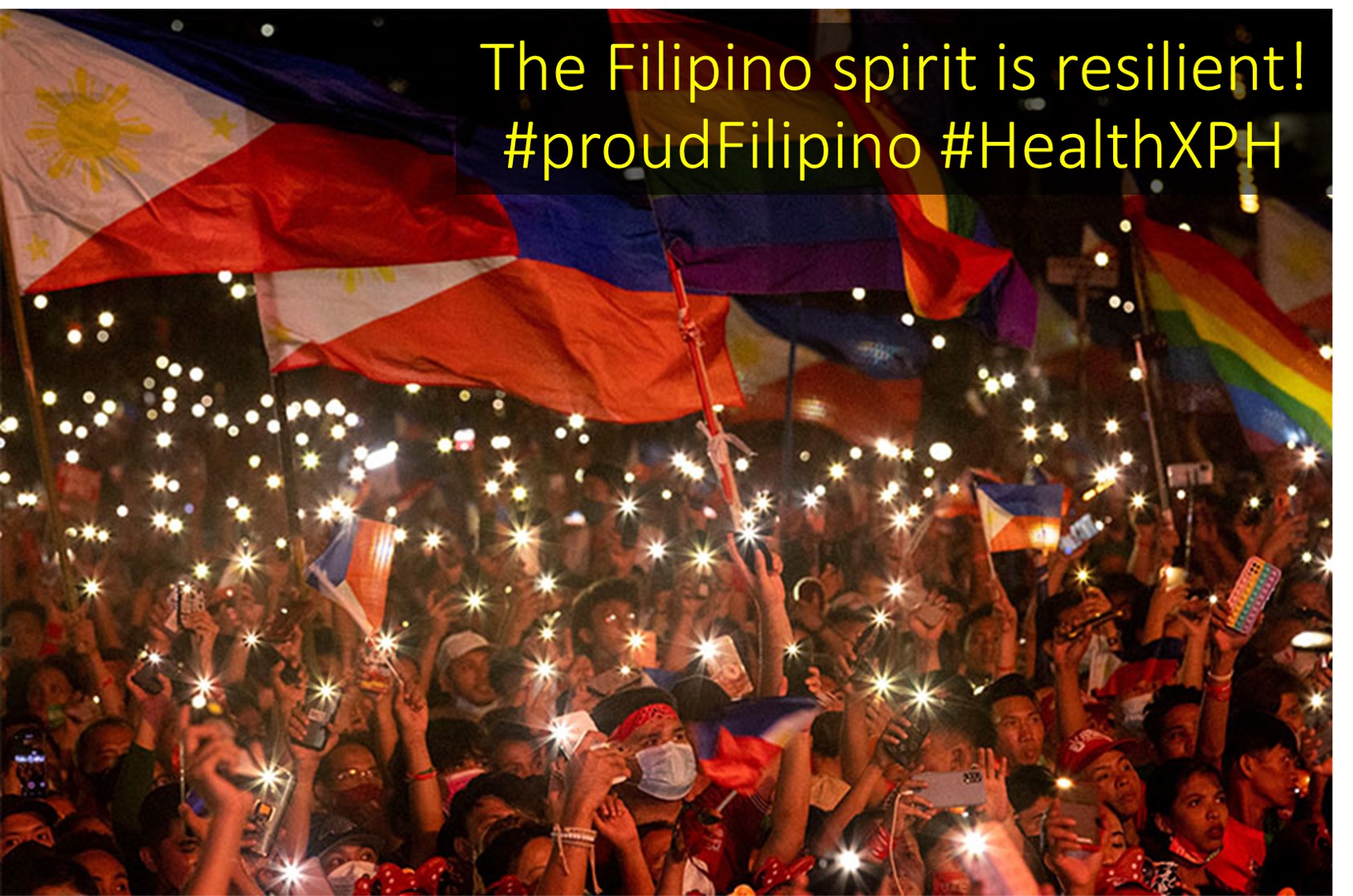
National Filipino Pride


The COVID-19 pandemic allowed the Filipino healthcare workers to shine their light through in all corners of the world (especially Filipino doctors and nurses). Filipinos are natural care givers and healers. A key element of Filipino society is a large diaspora of Filipino professionals in the 1970s onwards, in a bid to provide for their poor families.  The diaspora of Filipino healthcare workers is a great loss for the Filipino healthcare system, a major gain for the rest of the world. Filipinos back home may not directly benefit from the export quality healthcare professionals we invest educating, but the Filipino nurse or Filipino doctor is a brand that most recruiters seek. The Filipino healthcare professional is still a source of national pride.

Wikipedia defines PINOY PRIDE (or national Filipino pride) as an assertion that the people and culture should promote the interests of the Philippines by developing and maintaining a national identity based on largely shared characteristics such as language, race, religion or political goals. In a 2016 study of 15-29 year old Filipino youths, Castillo et. al. pointed out that the top indicator of National Pride of the Filipino youth is Sports. However, the respondents were not proud at all regarding the Philippines’s politics and democracy and the less education is strongly related to greater general national pride. The main point of national pride is that it serves as an important factor in determining the development of the country.

During the presidential campaign, a lot of healthcare workers were very vocal about having hope for the future, conducting medical missions and voluntarily providing medical assistance during rallies. The presidential elections showed us that we still have a lot of work to do ahead of us to reform the Philippine healthcare system. National pride would be instrumental in ensuring each Filipino contributes his/her share in nation building, with unity, accountability and transparency.


T1. With the spotlight on the Filipino people, how do you feel? If the spotlight was on being Filipino, what would you want to do?

Whatever happens, wherever I go, I would always be proud of my Filipino heritage, coming from a nation of heroes and resilient people who can smile amidst pain, suffering and challenges.  Filipino values include KAPWA (fellowship), respect and acceptance lead to the Filipino hospitality.


T2. As a healthcare worker or a patient, what would motivate you to continue to serve others?


T3. What part of being Filipino are you proud of?


Saturday, April 23, 2022

The Art of SAYING NO


During residency training we were trained not to say NO to our senior residents and consultants because the success of the healthcare team depends on the team captain's ability to delegate tasks.  I suppose this attitude has been carried over to other aspects in our life.

When I searched for tips in the art of saying NO, I was astonished to find many videos on youtube like Kenny Nguyen, and Steve Jobs among others.   There is actually a whole book on it by Damon Zahariades,


T1.  Why is it so hard to say NO? 

There are a lot of possible reasons why it is hard to say no.  Maybe it can be training.  Maybe it is easier to just say yes.  Maybe it is the fear of missing out (FOMO).  Maybe it is rooted in low self-esteem, believing you have no right to say no.  Maybe saying yes all the time is a manifestation of a desire to please and to get ahead in career or advocacy.


T2.  What are the consequences of not being able to say NO?

When you say YES, you are saying NO to something else.  You need to value your time and priorities.  You should avoid spreading yourself too thin to the point of burn out and reduced productivity.  In the elusive search for happiness saying yes to others, we eventually realize that we say NO to ourselves.  

Self-care saves lives.  Again, this is not spas and hot tubs, but about making good life choices - including saying NO to things, events and people who may not contribute to one's mental, physical and emotional well-being.


T3.  What tips and techniques of saying NO can you suggest? 

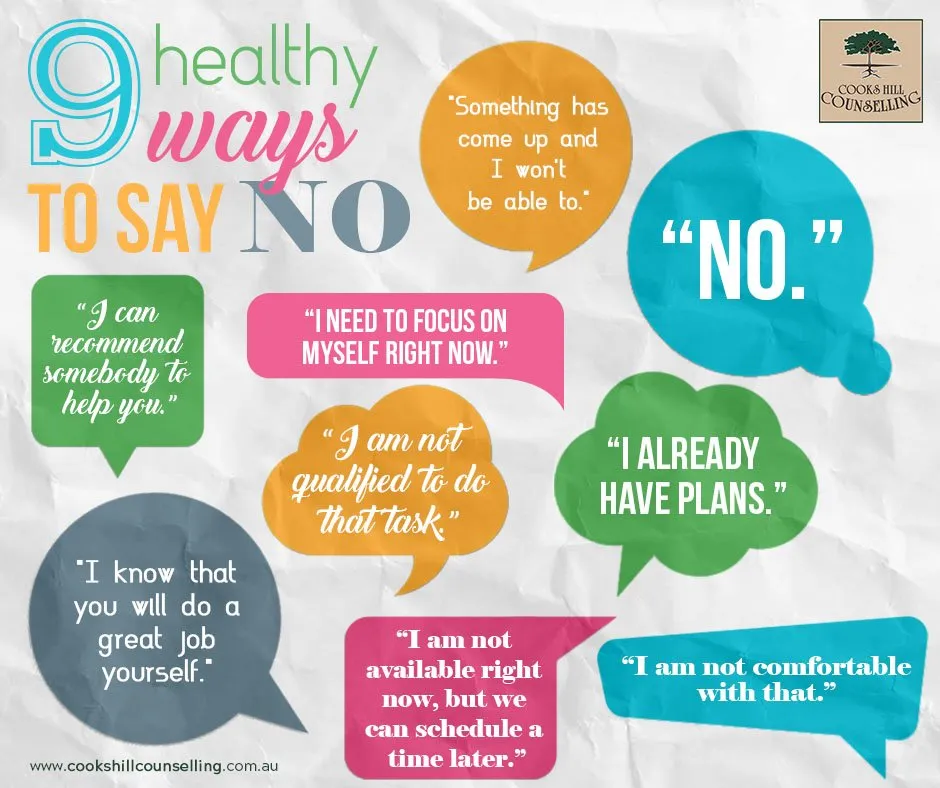
NO is not the hardest word to say, but practice makes perfect.  Here are suggestions from Leo Babauta on healthy ways to say NO:


Here is an article on The Art of Saying "NO" a good read with lessons to be learned.


Friday, March 4, 2022

WHAT IS YOUR LOVE LANGUAGE?

As war is raging between Russia and Ukraine (sending prayers for peace), the rest of the world recovers from the war against COVID-19. The pandemic left us reeling from isolation, limitation of movement, and forced adaptation of technology to move forward with transactions and engagements. Still, we should count our blessings because many of our loved ones did not survive. The John Hopkins University and Medicine COVID-19 Resource Center reports a total of 5.9 million COVID-19 deaths over 442 million reported cases. DOH COVID-19 Tracker Nationwide Cases Data notes 56,538 deaths over 3,664,905 reported cases in the Philippines as of writing. At the Vicente Sotto Memorial Medical Center, we've lost 1,220 patients due to COVID-19 pneumonia over 5,140 COVID-19 admissions. We realize how precious life is and how this life can end at the blink of an eye.


This is the time to seize the day and suck the marrow out of life. CARPE DIEM! As we learn to LIVE with COVID-19 in the new normal, we need to grab each opportunity to express our love to our loved ones. When was the last time you said "I love you" and heard these words from someone? When was the last time you gave a simple gift or provided a small act of service or spent quality time with someone special to you? March is National Women's Month and one thing women can teach the world is how to express love to our loved ones as mothers, wives, aunts, daughters, sisters and as family and friends.

Searching through the internet, I found a book written by Gary Chapman on The Five Love Languages. I was curious as there were so many youtube videos on this topic The 5 Love Languages Explained. As nicely illustrated, the Five Love Languages include (1) words of affirmation, (2) physical touch, (3) receiving gifts, (4) quality time and (5) acts of service.


This topic was so interesting to us that we allotted one KAAMBAG webinar session to discuss this among different healthcare workers in our hospital to get their inputs on love languages. It seems that the way we love is learned from experiences stemming from our childhood, and that scars we get from hurtful words become beautiful when we allow ourselves to grow and shape how we express love to others.


T1. During the COVID19 pandemic, did you have any regrets about failing to express your love?

T2. Among the five (5) love languages, how do you express love to your loved ones? Conversely, in what ways have you been hurt the most?

T3. What should you do to improve how you express your love?


Saturday, January 22, 2022

Essential Healthcare Services amidst the COVID-19 Surge

The WHO shares that the latest surge in COVID-19 cases is driven by the newest variant called Omicron. For Cebu, this will be our 4th surge, the 4th season of the COVID-19 pandemic response. After three (3) surges, it seems we are still taken by surprise as each surge has its own unique challenges. During the first surge, the challenge was dealing with an unknown unseen enemy and the economic impact of enhanced community quarantines, sparking talks about balancing between health and economy. By the second surge, we knew more about managing COVID-19 and we had less mortalities, but our hospitals were still overwhelmed with patients and infection control nightmares. We also had to focus on the mental health of our healthcare workers and the isolation of people disconnected from their families. The 3rd surge was driven by the Delta variant which coined the term "happy hypoxics" because targetting the lower respiratory tract, the patients had no symptoms and were unaware that their oxygen saturation levels were already low. This caused delay in seeking consultation. Hence, we needed more COVID-19 intensive care unit (ICUs), mechanical ventilators, high flow nasal cannulas and cardiac monitors. The strategy then was for our infectious disease specialists and pulmonologists to capacitate the district and provincial hospitals to manage severe and critical COVID-19 for improved survival.

This 4th surge driven by Omicron variant, we see most patients admitted in hospitals for reasons other than COVID-19 then incidentally testing positive for COVID-19. The challenge is the rapid increase in the number of healthcare workers testing positive for COVID-19, unable to work, presents the threat of hospitals and medical facilities closing down.

In the case of obstetrics, our maternal and perinatal statistics show that there are many more patients dying of pregnancy-related complications rather than due to COVID-19. It is therefore important that the right patients continue to have access to the right facility at the right time, and for hospitals and medical facilities to remain open to provide essential healthcare services amidst the COVID-19 surge.

In the context of hospitals and medical facilities closing down due to manpower issues with healthcare workers getting infected with COVID-19, how do we ensure continuous provision of essential healthcare services? 

T1. Share the COVID-19 situation in your area. What is the Omicron COVID-19 surge like for you?

T2. As a patient, what healthcare services would you deem as essential and life-saving?

T3. What strategy would you suggest to ensure delivery of essential healthcare services amidst the COVID-19 surge?